
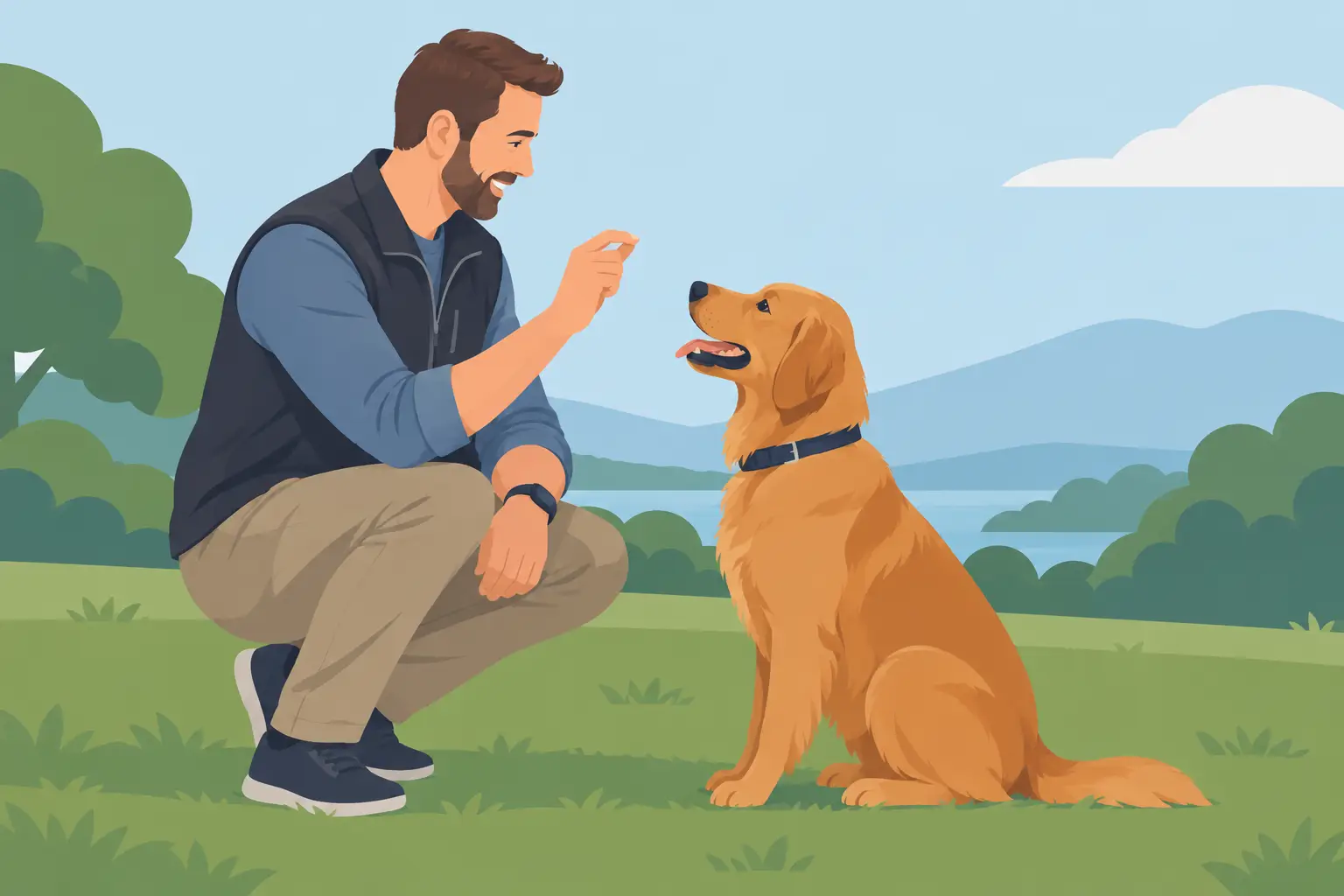
A dog pulling toward traffic, ignoring a recall at the park, or turning the evening routine into a daily argument is not being “bad” for the sake of it. Those behaviors usually point to a missing skill, unclear expectations, or a pattern that has been rewarded over time. Jeff Todd’s approach to dog training begins there: identify what is happening, teach the dog what to do instead, and build reliability where it matters most – in real life.
With more than 20,000 dogs trained, Jeff Todd brings a practical standard to a problem that often feels personal for owners. The goal is not to produce a dog that performs for a few minutes in a quiet room. The goal is a dog that can settle at home, walk with control, respond around distractions, and fit comfortably into the family’s routine.
Jeff Todd’s Training Focus: Results That Hold Up
A trained dog is a happy dog, but training only helps when it transfers beyond the lesson. A dog may sit beautifully for a treat in the kitchen and still jump on visitors, drag an owner down the sidewalk, or refuse to come when called outdoors. That gap is why practical training must account for distractions, repetition, timing, and the individual dog in front of you.
Jeff Todd’s training philosophy centers on clear communication and motivation-based learning. Dogs learn faster when they understand which choices earn rewards and which behaviors do not move them toward what they want. Positive reinforcement is a powerful part of that process, especially when it is delivered at the right moment and paired with consistent follow-through.
That does not mean handing out treats forever or hoping a dog eventually grows out of a problem. Food, praise, play, movement, and access to everyday privileges can all be useful rewards. The trainer’s job is to use them intentionally, then help the dog respond because the command has become familiar, worthwhile, and dependable.
Obedience Is More Than a Set of Commands
Most owners ask for the same foundational skills: come, sit, down, stay, heel, place, and leave it. Those commands matter because they create safety and freedom. A reliable recall can keep a dog from reaching a busy street. A solid place command can make dinner guests, deliveries, and family gatherings much easier. Loose-leash walking changes a stressful daily chore into a routine both dog and owner can enjoy.
But a command is only as useful as the dog’s ability to perform it in different situations. Training needs to progress from low-distraction practice to the environments where owners actually need help. For a Los Angeles dog owner, that may mean apartment hallways, sidewalks, parks, visitors at the door, elevators, traffic sounds, and the constant activity of a busy neighborhood.
The same principle applies to families. A dog that listens to one adult but ignores everyone else has not fully learned the household routine. Owners need coaching, too. Clear words, consistent rules, correct timing, and realistic practice sessions give every family member a role in keeping the dog’s training on track.
Calm behavior starts with a clear routine
Many frustrating behavior problems improve when the dog has more structure. This is especially true for puppies, adolescent dogs, and newly adopted rescues still learning how a household works. Structure is not about making life rigid. It gives the dog predictable answers to everyday questions: Where do I rest? When do I go outside? How do I greet people? What happens when I hear the doorbell?
A routine also prevents owners from accidentally reinforcing the behavior they want to stop. If jumping gets attention, barking brings someone running, or pulling gets the dog to the park faster, the dog has learned that the behavior works. Changing that pattern requires consistency, not frustration.
Starting Puppies and Rescues on the Right Track
The early months shape many of the habits owners deal with later. Housebreaking, crate training, chewing, biting, social exposure, and name recognition are not minor puppy concerns. They are the building blocks of a stable adult dog.
A puppy needs frequent opportunities to succeed. That includes scheduled potty breaks, close supervision indoors, appropriate chew options, short training sessions, and calm introductions to new people, surfaces, sounds, and environments. Too much freedom too early often creates avoidable setbacks. A puppy does not need to have access to every room in the house to feel loved and secure.
Rescue dogs need a thoughtful start for a different reason. A dog may arrive with an unknown history, stress from transition, or habits formed in a previous home. Some settle quickly. Others need more time before their true personality and challenges appear. Patience is essential, but so are boundaries. A rescue dog benefits from a steady routine, manageable introductions, and training that teaches confidence without overwhelming the dog.
When Behavior Problems Need a Plan
Some issues are more than basic obedience gaps. Reactivity, intense barking, separation-related stress, resource guarding, fearfulness, or aggression require a careful assessment. Owners should not rely on internet advice that treats every growl, lunge, or bite risk as the same problem.
Behavior is communication. A dog may bark and lunge because it is fearful, overexcited, territorial, frustrated, or trying to create distance. The visible behavior can look similar while the cause is different. Effective training starts by understanding the trigger, the dog’s body language, the consequences that maintain the behavior, and the safety needs of everyone involved.
There are no responsible shortcuts around a serious behavior concern. Management may be part of the plan, including controlled distance from triggers, leash and door routines, supervised interactions, or use of a properly introduced muzzle when appropriate. Management is not failure. It prevents rehearsal of unwanted behavior while training creates a better response.
For dogs with a bite history or escalating aggression, owners should seek professional guidance promptly. Waiting for the next incident can put family members, guests, neighbors, and the dog at greater risk. Dog bite prevention education also matters for organizations and employees who encounter unfamiliar dogs in the field. Reading warning signs, respecting space, and knowing how to respond can prevent a difficult interaction from becoming an injury.
Choosing the Right Training Format
The best format depends on the dog, the concern, and the owner’s schedule. Private lessons can be ideal when a family needs hands-on coaching in the home or wants help with a specific behavior. They allow training to take place where the problem occurs, whether that is the front door, the backyard, or the neighborhood walk.
Boarding-based training can give a dog concentrated practice and a strong foundation in obedience, particularly when the owner needs support with a busy schedule or a dog needs a reset from inconsistent habits. Still, the owner’s follow-through remains essential. A dog does not return home permanently trained by someone else’s routine. The transition home should include clear instruction so the family can maintain the same expectations.
Online training can be a useful option for owners who need flexible access to professional instruction and a structured plan. It works best when the owner can practice consistently and apply feedback honestly. For complex aggression, major safety risks, or behavior that requires direct observation, in-person support may be the better choice.
The Owner’s Role in Proven Results
Professional training provides the system, but everyday life provides the repetitions. Five focused minutes before a walk, a few calm reps at the front door, and consistent expectations around meals or greetings can create meaningful progress. Long, exhausting sessions are rarely necessary. Clear practice done often is more valuable than occasional bursts of effort.
Owners also need realistic expectations. A young, energetic dog may improve quickly with leash skills while still needing time to mature emotionally. A fearful dog may make steady progress without becoming a dog that enjoys crowded events. Success should be measured against the dog’s starting point and the family’s real goals, not against a polished social media clip.
The practical question is simple: what would make daily life easier, safer, and more enjoyable for you and your dog? Start there. With clear guidance, consistent practice, and a plan built for the life you actually live, better behavior becomes something your dog can understand and your household can maintain.
