
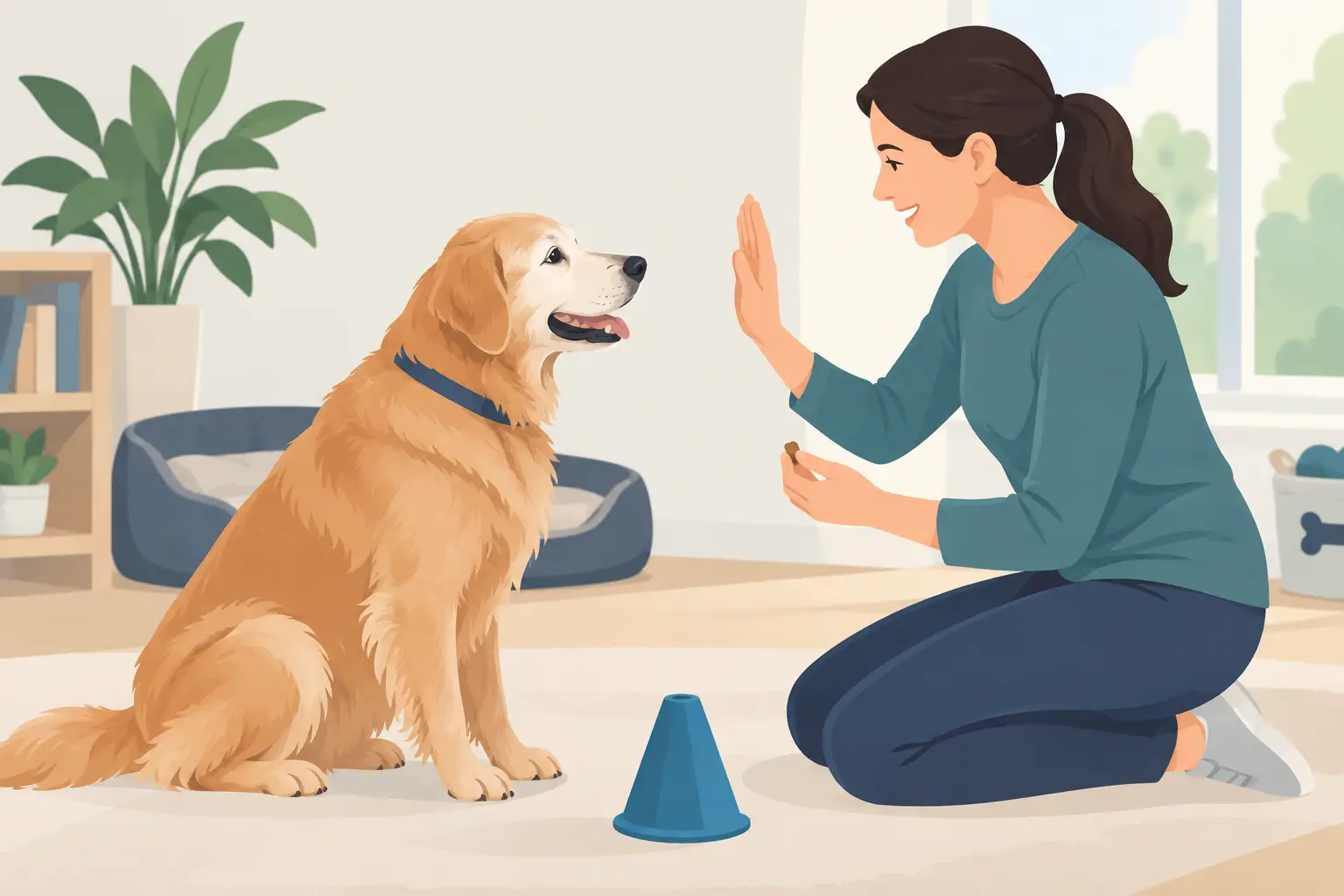
A dog who has spent years pulling toward every squirrel, ignoring the recall, or claiming the couch may seem set in his ways. But can older dogs be trained? Absolutely. Age does not erase a dog’s ability to learn. It simply changes how we set the pace, choose the reward, and build success. With a clear plan, older dogs can learn practical obedience that makes life calmer at home and easier everywhere else.
Can Older Dogs Be Trained? What Changes With Age
Older dogs learn through the same basic process as younger dogs: a behavior that earns a meaningful reward is more likely to happen again. What changes is their history. A mature dog may have years of practicing unwanted behaviors, from barking at the front window to pulling on walks. Those habits are familiar, so replacing them takes consistent repetition.
That does not mean an older dog is stubborn or incapable. In many cases, adult and senior dogs are actually easier to train than puppies. They often have a longer attention span, more predictable energy levels, and a better ability to settle. They have also usually lived in a home, which means they may already understand routines around meals, sleep, and family activity.
The goal is not to erase your dog’s personality. It is to teach reliable choices that work in your real life: coming when called, walking without dragging you down the block, staying calm when guests arrive, and settling while your family eats dinner. A trained dog is a happy dog because he understands what is expected of him.
Start With Health and Comfort
Before beginning a new training routine, consider your older dog’s physical condition. Pain, reduced hearing, vision changes, dental discomfort, arthritis, and cognitive changes can all affect behavior. A dog who suddenly refuses to sit may not be challenging you. He may be uncomfortable lowering his hips. A dog who startles when approached may not have heard you coming.
A veterinary checkup is a smart first step, especially if a behavior has changed quickly or dramatically. Once medical concerns are addressed, training can be adjusted to keep your dog comfortable. Shorter sessions, softer surfaces, lower-impact exercises, and clear hand signals can make a major difference.
For example, an older dog with sore joints may practice a standing wait rather than a long sit-stay. A dog with declining hearing can learn to respond to visual cues, a flashlight signal at a safe distance, or a gentle vibration collar used only as a trained attention cue. Training should support your dog’s quality of life, not ask him to push through pain.
Focus on the Behaviors That Matter Most
Busy dog owners do not need an endless list of tricks. They need a dog that fits smoothly into daily life. Start with one or two high-value skills, then build from there. Trying to fix every issue at once can frustrate both you and your dog.
For most adult and senior dogs, the best starting point is a dependable response to their name, followed by recall, loose-leash walking, place or bed training, and a calm greeting routine. These commands create immediate improvements in safety and household peace.
A dog who learns “place” has a clear job when the doorbell rings, food is being prepared, or children are playing nearby. A dog who learns to walk beside you without pulling turns a stressful outing into a manageable one. Recall is not just convenient. It can prevent a dangerous situation when a gate is left open or a leash slips from your hand.
Choose rewards your dog truly values. Some older dogs will work enthusiastically for small, soft treats. Others are motivated by praise, a favorite toy, access to a sniff spot, or a chance to greet someone. The reward must matter to the individual dog, especially when you are asking him to choose a new behavior over a well-practiced old one.
Use Short Sessions and Clear Repetition
The most effective training sessions are often brief. Aim for five to 10 focused minutes at a time, once or twice a day. End while your dog is still successful and interested. This keeps the work positive and gives you more chances to practice without overwhelming him.
Be precise with your commands. If you use “come,” do not also say “come here,” “let’s go,” and “get over here” for the same behavior. Pick one word, say it once, and follow through with guidance and reward. Consistency helps an older dog understand the new rule faster.
Timing matters just as much. Reward the behavior the moment it happens. If you are teaching your dog to sit before going outside, reward when his rear touches the floor, then open the door. Over time, sitting becomes the useful, predictable way to ask for access.
Practice first in a low-distraction setting. Your living room or backyard is easier than a crowded Los Angeles sidewalk. Once your dog responds reliably at home, gradually add distractions: another family member moving around, a visitor at the door, a quiet neighborhood walk, then busier environments. Reliability is built in layers.
Replace Old Habits Instead of Repeating “No”
Many behavior problems continue because the dog is receiving something he wants from them. Barking at the window may release excitement. Jumping on guests may earn attention. Pulling may get him to the smell, person, or dog he wants to reach.
Simply saying “no” often does not tell the dog what to do instead. A better approach is to interrupt the unwanted pattern calmly, guide the dog to a known command, and reward the correct choice. If your dog charges the door when visitors arrive, teach him that the doorbell means go to place. If he jumps, teach him that four paws on the floor earns greeting and attention.
Management is part of training, not a shortcut. Use a leash indoors during early practice if needed. Close blinds that trigger window barking. Put food away rather than repeatedly correcting counter surfing. Every time your dog rehearses the unwanted behavior, the habit gets stronger. Every time you prevent it and practice a better response, the new habit gains ground.
Be Realistic About Timing and Expectations
Some changes appear quickly. A food-motivated older dog may learn the basics of a new command in a few sessions. More challenging behaviors, especially leash reactivity, separation distress, guarding, or aggression, require a more careful plan and professional guidance.
Progress is rarely a straight line. Your dog may perform beautifully in the kitchen and struggle outside. That is normal. He has not forgotten the command. He is learning that the command applies in a more difficult setting. Reduce the challenge, help him succeed, and build back up.
Avoid testing your dog before he is ready. Calling an older dog away from a major distraction without a long line or a controlled setup can teach him that ignoring you is an option. Set up training situations where you can follow through, reward success, and protect safety.
When Professional Training Helps
Professional support can save time when an old behavior has become deeply ingrained or when safety is a concern. This is especially true for dogs that lunge on leash, snap during handling, guard food or furniture, or become highly distressed when left alone.
A qualified trainer can identify what is driving the behavior, create a step-by-step plan, and coach every member of the household on consistent handling. For families, that consistency matters. A dog cannot understand why jumping is allowed with one person but corrected by another.
At Smart Dogs, training is built around functional commands and motivation-based methods that make sense in daily life. The right program should give you more than a dog who performs during a lesson. It should give you the skills to maintain calm, reliable behavior at home, on walks, and around the distractions your dog encounters every day.
Your older dog does not need a perfect past to build better habits now. Start with one practical goal, make the right behavior rewarding, and practice it often enough that it becomes part of his routine. The next good choice is always the one worth training.
