
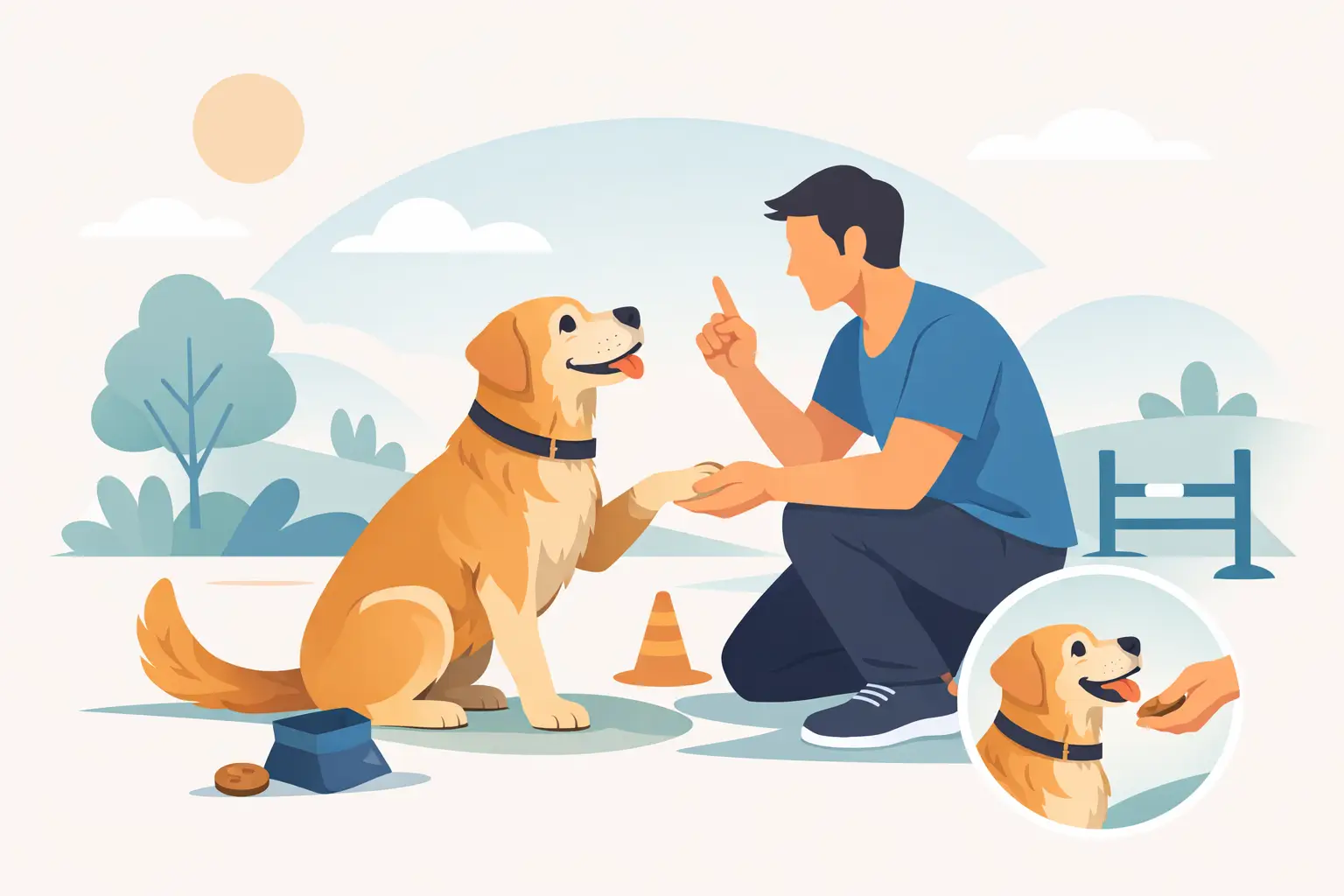
A dog who pulls hard on the way to the car, ignores recalls at the park, or barks through every delivery does not need to be a puppy to improve. If you are asking, can older dogs learn obedience, the answer is yes. Mature dogs can learn new commands, replace unwanted habits, and become far easier to live with when training is clear, consistent, and worth their effort.
Age changes how training should be approached, not whether training can work. An older dog may bring years of practice in doing things their own way. They may also have physical limitations, hearing or vision changes, or a history that makes certain situations stressful. Those factors call for a thoughtful plan, not lower expectations.
Can Older Dogs Learn Obedience Successfully?
Dogs continue learning throughout their lives. They learn which behaviors earn attention, access to the yard, a walk, food, play, and relief from pressure. That means an older dog who has rehearsed jumping on visitors for eight years can learn that keeping four paws on the floor earns the greeting instead.
The biggest difference is habit. A young puppy has fewer established routines, while an adult or senior dog may have spent a long time being rewarded by the environment. Pulling may get them to the interesting smell faster. Barking may make a person step away. Ignoring a recall may allow them to continue exploring. Effective obedience training changes those outcomes through management, repetition, and meaningful rewards.
Older dogs also have advantages. Many have better attention spans than puppies, settle more easily between training sessions, and already understand household routines. A calm, food-motivated adult dog can make excellent progress when lessons are short and the expectations are fair.
Start With Health and Comfort
Before asking an older dog to sit repeatedly, walk long distances, or hold a down position on a hard surface, consider their comfort. Arthritis, dental pain, reduced vision, hearing loss, thyroid issues, and cognitive changes can affect behavior and learning. A dog who suddenly refuses a familiar cue or becomes irritable when handled deserves a veterinary conversation before a training plan begins.
Training should fit the dog in front of you. A senior dog with sore hips may do better with a brief stand-stay than multiple sit-down repetitions. A dog with limited hearing can learn visual cues. A dog who sees poorly may benefit from clear verbal markers and predictable walking routes. Obedience is not about forcing a dog into uncomfortable positions. It is about building reliable communication that supports a safe, manageable life.
Begin With the Commands That Improve Daily Life
Many owners try to teach everything at once: heel, place, stay, come, leave it, shake, roll over, and more. That usually creates frustration for both dog and owner. Start with the commands that solve the problems you face every day.
For most families, that means name response, recall, leash manners, sit, down, stay, place, leave it, and a calm greeting routine. These are functional commands. They help your dog move safely through the home, the neighborhood, the car, and public spaces.
Choose one or two skills to focus on during the first week. If your dog bolts toward the front door, begin with place and stay. If walks are exhausting, prioritize loose-leash walking and attention to you. If your dog ignores you around distractions, start by rewarding a quick response to their name in low-distraction settings before expecting a reliable recall outdoors.
Use Short Sessions and Clear Rewards
Older dogs do not need marathon training sessions. In fact, five to 10 focused minutes often produces better learning than 30 minutes of repeated commands. Work when your dog is comfortable and reasonably calm, then stop while they are still successful.
Use a reward your dog genuinely values. For many dogs, small soft treats are effective because they can be delivered quickly. Others work enthusiastically for a favorite toy, praise, a chance to sniff, or access to a meal. The reward should arrive immediately after the correct behavior so your dog understands what earned it.
Be precise with your words. Say the cue once, give your dog a moment to respond, and reward the right choice. Repeating “sit, sit, sit” teaches many dogs that the first few requests are optional. If your dog does not understand, make the exercise easier rather than becoming louder or more frustrated.
Consistency matters just as much outside the session. If family members allow pulling sometimes, jumping other times, and barking for attention whenever they are busy, the dog receives mixed information. Agree on the cue, the rule, and the reward. Clear boundaries reduce stress because your dog no longer has to guess what will happen.
Break Old Habits Into Smaller Steps
A dog with a long history of pulling cannot be expected to walk perfectly through a busy Los Angeles sidewalk on day one. Start where success is possible, such as a quiet driveway or hallway. Reward a few steps of a loose leash, then gradually add distance, movement, people, dogs, and traffic.
The same principle applies to recall. Begin indoors or in a fenced area using a long line for safety. Call your dog in a warm, upbeat voice, reward generously when they come, and release them back to something enjoyable when appropriate. If every recall ends the fun, many dogs learn to avoid it. Coming when called should predict a positive outcome, not a punishment.
For behavior around guests, do not wait until the doorbell rings and everyone is excited. Practice place when the house is quiet. Reward your dog for going to a bed or mat and staying there for a few seconds. Then add small distractions, such as someone walking across the room. Build toward real visitors only after your dog understands the job.
Expect Progress, Not Perfection
Training an older dog is rarely a straight line. A dog may perform beautifully in the living room but struggle near squirrels, children, or unfamiliar dogs. That does not mean the training failed. It means the distraction level is higher than the dog’s current skill level.
Set realistic goals. A rescue dog who panics when left alone may first need to learn calm independence for a few minutes, not several hours. A dog with a history of reactivity may need more distance from other dogs while learning to focus on you. Safety and emotional stability come before showing off obedience in difficult situations.
Avoid punishing a dog for coming to you late, breaking a stay, or showing fear. Correcting after the fact does not explain the desired behavior and can make the dog less willing to try. Instead, prevent rehearsals when possible, lower the difficulty, and reward improvement. Proven results come from teaching the behavior you want often enough that it becomes the dog’s practical choice.
When Professional Training Makes Sense
Some issues are bigger than a few at-home sessions. Leash reactivity, aggression, severe separation distress, resource guarding, repeated escaping, and bite history require professional guidance. So do households where different family members cannot maintain the same training routine or where a busy schedule makes follow-through difficult.
A qualified trainer can observe the dog’s triggers, body language, motivation, and home routine, then create a plan that fits real life. Smart Dogs uses motivation-based, positive reinforcement methods alongside structured obedience work to help dogs understand what is expected. The goal is not a dog who performs only in a lesson. It is a dog who listens when a child drops food, when a visitor arrives, and when a walk becomes unexpectedly busy.
Private lessons can be especially helpful for older dogs because training can be adapted to their mobility, history, and specific household challenges. In some cases, a boarding-based program may give a dog a strong foundation, but owners still need coaching afterward. The dog must learn that the same rules apply at home, with the people they live with every day.
Give Your Older Dog a New Routine Worth Learning
Training is not about proving that your dog should have known better years ago. It is about giving them a clearer path forward. A reliable sit at the door, a calm place command during dinner, and a recall that works before trouble starts can change the entire feel of a household.
Start with one useful skill, practice it consistently, and make success rewarding. Your dog’s age is part of the plan, but it does not have to be the limit. A trained dog is a happy dog, and an older dog can still learn the habits that make every day calmer, safer, and more enjoyable.
